

More than two in five (45 per cent) UK adults have encountered discrimination either in the workplace or during their job search, while 39 per cent believe they were rejected from a role for discriminatory reasons, a survey has found.
The survey by Ciphr of 4,000 UK adults also found women were almost twice as likely to report discrimination than men; one in 10 (10 per cent) women felt they had lost out on a role because of their gender, compared to 5.2 per cent of men.
Aggie Mutuma, CEO of Mahogany Inclusion Partners, said the findings reinforced what “too many people already know from experience” – that “workplace discrimination isn’t an occasional misstep, it’s a pattern that continues to shape careers, opportunities and workplace culture”.
“The fact that so many individuals feel they’ve been overlooked, undervalued or even excluded entirely because of their identity is a red flag for organisations that claim to be inclusive,” she added.
Paul Sesay, founder and CEO of Inclusive Companies, said there was a “direct correlation between difficulties in diverse hiring and discrimination at interview stage and within the workplace”.
“Even if diverse hires are made, underrepresentation, lack of training and education among colleagues and bias across a business will, ultimately, see the diverse hire fail because of the lack of inclusion and equity,” he told People Management.
The most common form of discrimination found by the survey was ageism, with 15 per cent of people feeling their age prevented them from securing a job. One in five (19 per cent) said they had faced ageism at some point in their careers.
Almost three in five (57 per cent) of those aged 18 to 34 said they had experienced discrimination at work, with a similar percentage (59 per cent) facing hiring discrimination.
In comparison, 31 per cent of those aged 35 and older said they had experienced discrimination.
Discrimination against parents or carers was also prevalent, with an average 11 per cent saying they had been treated unfairly because of caregiving responsibilities. For those who were caring for a dependent child as well as older or disabled relatives, nearly a third (30 per cent) felt they had been subjected to discrimination.
Emily Andrews, deputy director for work at the Centre for Ageing Better, said ageism was “damaging for individuals, employers and the economy”.
“Ageism is the prejudice that is hidden in plain sight. It’s so embedded in our society that it’s even become normalised and passively accepted by those of us who are older,” she explained.
“It’s also short sighted of businesses to deprive themselves of all the advantages that having older workers and a multigenerational workforce brings when combining skills, knowledge and experience.”
Sesay said marginalising older colleagues would see “an organisation lose their highly valuable knowledge, wisdom, experience and loyalty”.
“The human cost is immeasurable as older people lose their sense of self worth and lose out on income and pension contributions if they feel the need to reduce or end their working hours,” he added.
Caroline Abrahams, charity director at Age UK, said a person’s work should be based on their “skills and motivation and not how they look or their birth certificate”.
“For most people there is no evidence that their ability to do their job declines with age. There are many older people with a lifetime of valuable skills who would relish the prospect of staying in employment longer and we hope that employers recognise the fantastic and often underused skills base of older workers,” she told People Management.
The research found that workplace discrimination disproportionately affected employees with ethnic minority backgrounds.
Three quarters (76 per cent) of respondents identifying as Black, Black British, Caribbean or African reported experiencing discrimination at work and/or as a job applicant. Similarly, two thirds (65 per cent) of individuals from Asian or Asian British backgrounds also said they had encountered discrimination in professional settings.
Furthermore, two in five (39 per cent) Black respondents and nearly a third (31 per cent) of Asian people said they had experienced racism or discrimination based on their ethnicity.
In comparison, 5.2 per cent of white people felt they had experienced discrimination based on ethnicity.
“Discrimination will stop diverse talent in its tracks,” said Sesay. “Excellent colleagues will be lost if their environment doesn’t welcome or include them. And the problem will persist until the culture changes.”
Mutuma explained that discrimination was not always “overt bias” but could build up as the “quiet, accumulative impact of microaggressions, exclusion from key projects or the ‘not the right fit’ excuse used to justify missed promotions”.
Mutuma urged businesses to “move beyond awareness and into action” if they were serious about tackling discrimination.
“This starts with honest conversations at the top – where are the blind spots in recruitment? How are promotions really being decided? Do leaders create space for diverse voices, or just expect them to conform? Training is useful, but only when paired with accountability, psychological safety and policies that are enforced rather than just written down,” she said.
“The real challenge for businesses isn’t acknowledging that it exists – it’s deciding whether they’re willing to be part of the solution.”
Sesay added that managers must be aware discrimination was “not always loud or easy to spot”.
“Invest in training for leaders on inclusive management practices, encourage them to value diverse perspectives and create a culture of respect. Introduce mandatory diversity and inclusion training for all employees to explain unconscious bias, cultural sensitivity and inclusive communication. Ensure this is part of every new colleague’s onboarding process to build a strong, resilient and respectful culture from the ground up,” he advised.
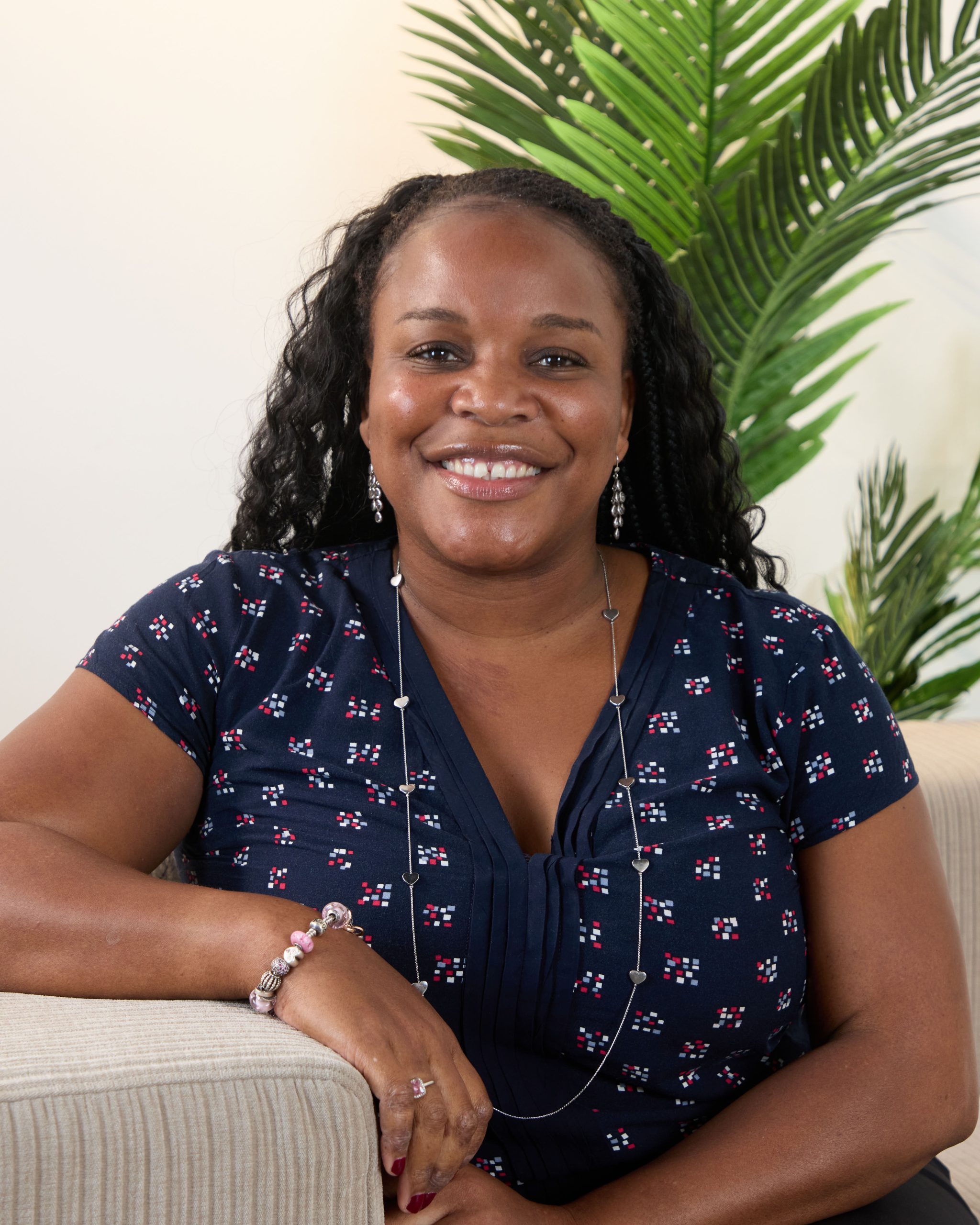
Aggie Yemurai Mutuma is a multi-award-winning leadership coach, speaker, and workplace culture strategist with expertise in workplace culture and strategy.
She blends her engaging and authentic approach with her deep experience in leading organisations to empower individual, team, and organisational transformations.
Necessary cookies keep the site working. With your permission, optional cookies help Aggie Mutuma understand how the site is used.